





What to Do After a Car Accident: Your Insurance Checklist
09/17/2026
By: Sammy Clement

At a glance:
If you're in a car accident, prioritize safety first, move vehicles out of harm's way if possible, contact police, exchange and document information, and notify your insurance company as soon as possible. Even for minor accidents, take photos, gather details, and report incidents when required by law. Most importantly, never pay another driver out of pocket. Let your insurance company investigate and handle the claim to protect your coverage and interests.
As we head into fall, the changing seasons bring with them some unaccounted risks. Slippery leaves, slick bends, and busy roads with leaf-peeping cars can create obstacles that increase the chances of car accidents. After fall comes the New England winter, which increases the odds with black ice, sleet, and snow squalls.
Be prepared and know what to do if an accident occurs. Use this checklist to ensure that you have everything you may need to file a proper claim.
Stay calm & make sure everyone is safe.
Be certain you and your passengers are uninjured and safe. If another vehicle was involved, check that its occupants are also safe and unharmed. Accidents are very stressful; stay calm and keep control of the situation.
Avoid further impact.
Move any impacted vehicles out of traffic if possible. If your car is drivable, move it to the side of the road or farther from traffic, as long as you can remain at the scene of the accident. Try to warn oncoming traffic with hazard lights, cones, or road flares.
Contact the police.
You must report the accident and make sure your story is reported correctly. Dial 911, wait for the police to arrive, and be ready to answer any questions so they can file a police report.
It is important to:
- Provide your driver’s license and insurance information.
- Stick to the facts and tell the officer exactly what occurred.
- Ask for the name and badge numbers for all officers you speak with
- Request a copy of the police report for your insurance company.
- This ensures the accident is documented and helps determine liability.
If you cannot contact the police, or if they cannot reach the scene, exchange information with the other driver. Take photographs of the damage to both vehicles and the license plates to help document the facts for your insurance provider. You can also file a report yourself at your local police station or Department of Motor Vehicles.
Exchange information and document details.
The police report provides official documentation of the crash; however, you should always take your own pictures of the damage to your vehicle and any other vehicle involved. Take images from multiple angles to make sure you can see exactly where any impact occurred. These images can help later when your claims representative determines who’s at fault for the accident.
Make sure you get the other driver's name, address, phone number, and insurance information. If you can, swap additional details such as car make and model, driver’s license numbers, and plate numbers. If a third-party witness is present, you may ask for their contact information.
Start the claims process.
Regardless of who is at fault, it is a smart idea to inform your insurance company that an accident has occurred. Keep in mind that it is your choice whether you file with your insurance company or the other driver’s insurer.
Most commonly, your insurer needs only basic information about the accident as well as the photos of damage you took to open a claim. A claims representative will then be assigned to you and will help guide you through the claims process.
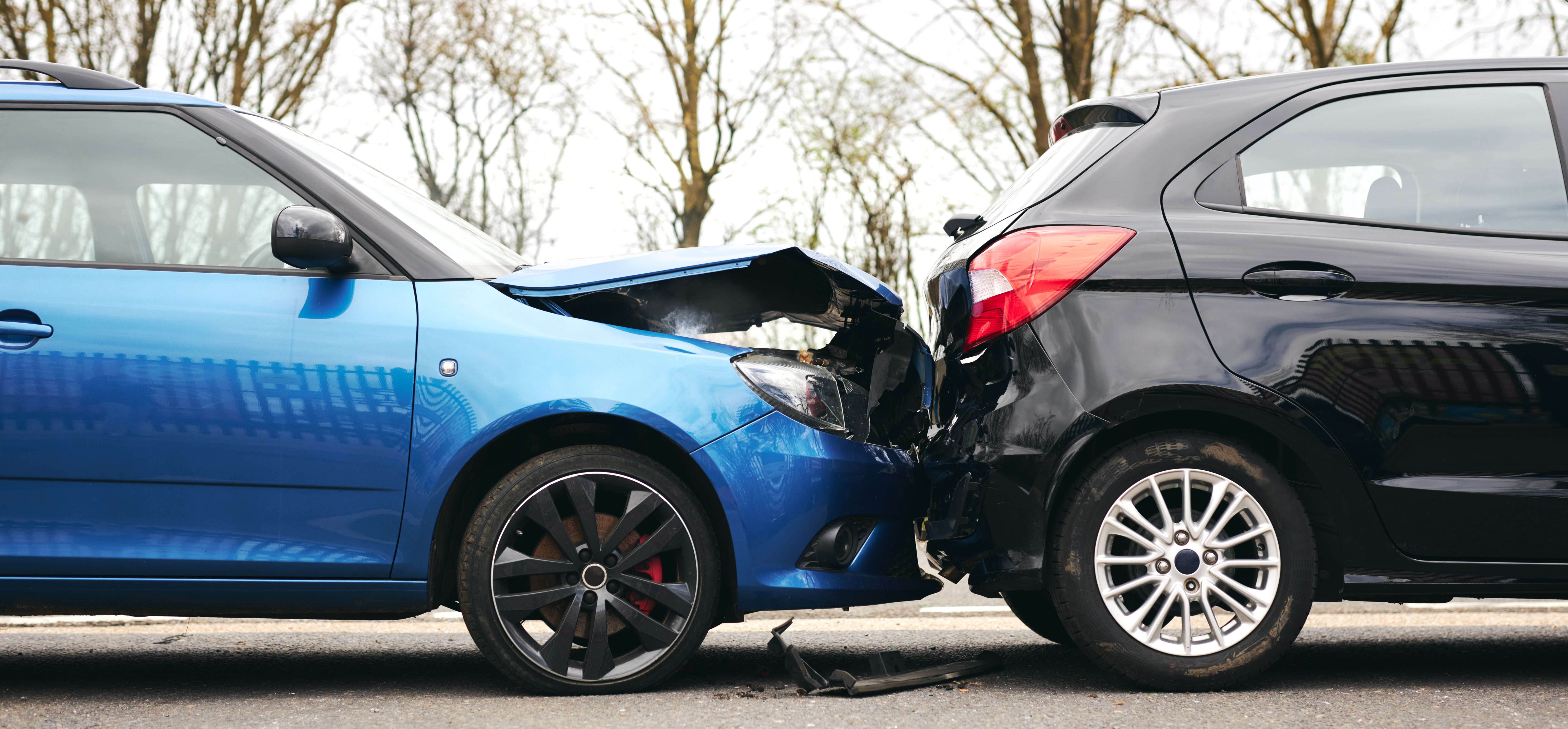
Never pay for another person's damages out of pocket.
While it may seem like the quickest way to resolve a situation, doing so can jeopardize your insurance coverage. The cost of an accident often extends beyond visible vehicle damage and may include rental car expenses, medical bills, lost wages, and other claims that arise later. By paying the other party directly, you may unintentionally admit fault and prevent your insurance carrier from properly investigating and handling the claim. Let your insurance company do the job you pay them to do.
What if I am not in a serious car accident?
If you are involved in a minor car accident with no injuries and/or minimal damage to your vehicle, then you may choose not to file a claim or report the accident to police. However, you should still exchange information in case either you or the other driver decides to file a claim later. For the same reason, you should alert your insurance company about the accident.
Minor car accidents do not always require police reports. Most states do not require a police report for minor damage; however, each state defines the damage threshold differently. In the state of Maine, any damage over $1,000 should warrant a police report.
In certain jurisdictions, police will not report accidents that occur on private property, such as running into your own garage door or hitting your mailbox. Many parking lots, such as a corner grocery store or a shopping mall, are also considered private property, so police may not respond to a minor vehicle incident unless you request it and have a compelling reason.
Remember, there is no way to accurately assess a vehicle’s damage at the scene of the accident. A more thorough inspection at an auto body shop or dealership will outline all issues.
In Maine, we share our roadways with wildlife, and while we do our best to avoid them, it can be incredibly difficult when road conditions aren’t ideal. Title 12, §12403, you must report an accidental collision with a deer, moose, bear, or wild turkey to law enforcement right away. Failing to report can result in a civil fine ranging from $100 to $500.

How to file a claim without a police report.
While a police report provides an official, detailed account of the accident, you can act as your own advocate for minor incidents. You should write down specifics and take photos to document what occurred, including:
1. Location of the accident
2. Date and time of the accident
3. Any involved individuals’ names, driver’s license numbers, and contact information
4. Insurance information for other vehicle(s)
5. Details of vehicle make, model, license plate numbers, and registration information for all parties involved.
6. Environmental factors such as weather, lighting, hazards, time of day
7. Names and contact info for any witnesses to the incident
The process of filing an auto insurance claim with your insurance company is similar regardless of whether you have a police report or not. If you have the report, be sure to give the provider the police department name and the report number. If you don't have the report, you may need to provide a detailed account of the accident.
We’re Here to Help!
If you want to learn more about our auto insurance policies or review your policy, we’re happy to help. Please stop by Atlantic Federal Credit Union Insurance at our Topsham Branch or call (207) 373-0342 to schedule an appointment.
Visit https://www.atlanticfcu.com/insurance to learn more about auto policies. Download Atlantic’s Auto Insurance Incident Checklist to gather all needed information to file an insurance claim.
Each individual’s financial situation is unique, and readers are encouraged to contact the Credit Union when seeking financial advice on the products and services discussed. This article is for educational purposes only; the authors assume no legal responsibility for the completeness or accuracy of the contents.
Stay up to date and join our email list.
The Atlantic blog strives to deliver informative, relevant, and sometimes fun financial information. If you enjoyed this article, please forward it to a friend.